
Nonprofit Headshots Philadelphia | Build Donor Trust

Philadelphia’s nonprofit sector is one of the most vibrant in the country. With more than 18,000 registered nonprofits in Pennsylvania—thousands of them concentrated in the greater Philadelphia region—the competition for donor attention, grant funding, and volunteer engagement has never been more intense. In this environment, nonprofit headshots Philadelphia organizations invest in are not a luxury. They are a strategic communications asset that directly influences how donors, grantmakers, and the public perceive your mission and your leadership. This guide covers everything your organization needs to know to use professional photography as a fundraising and trust-building tool.
Table of Contents
- Why Nonprofit Headshots Philadelphia Organizations Invest In Matter
- How Nonprofit Headshots Philadelphia Donors Actually Trust Are Built
- Staff Directory Best Practices
- Board Member Headshots for Credibility and Governance
- Philadelphia’s Nonprofit Sector: Local Context and Competition
- On-Location Session Logistics for Nonprofits
- Budget-Conscious Packages and Nonprofit Pricing
- Impact on Fundraising Campaigns and Donor Conversion
- Volunteer and Staff Coordinator Headshots
- Digital Presence: Website, LinkedIn, Grants, and Annual Reports
Why Nonprofit Headshots Philadelphia Organizations Invest In Matter
Nonprofits operate in a trust economy. Unlike for-profit businesses, which offer a product or service in exchange for payment, nonprofit organizations ask donors to give money based solely on belief—belief in the mission, belief in the leadership, and belief that their contribution will create meaningful change.
That belief is emotional. And emotion is shaped powerfully by visual cues.
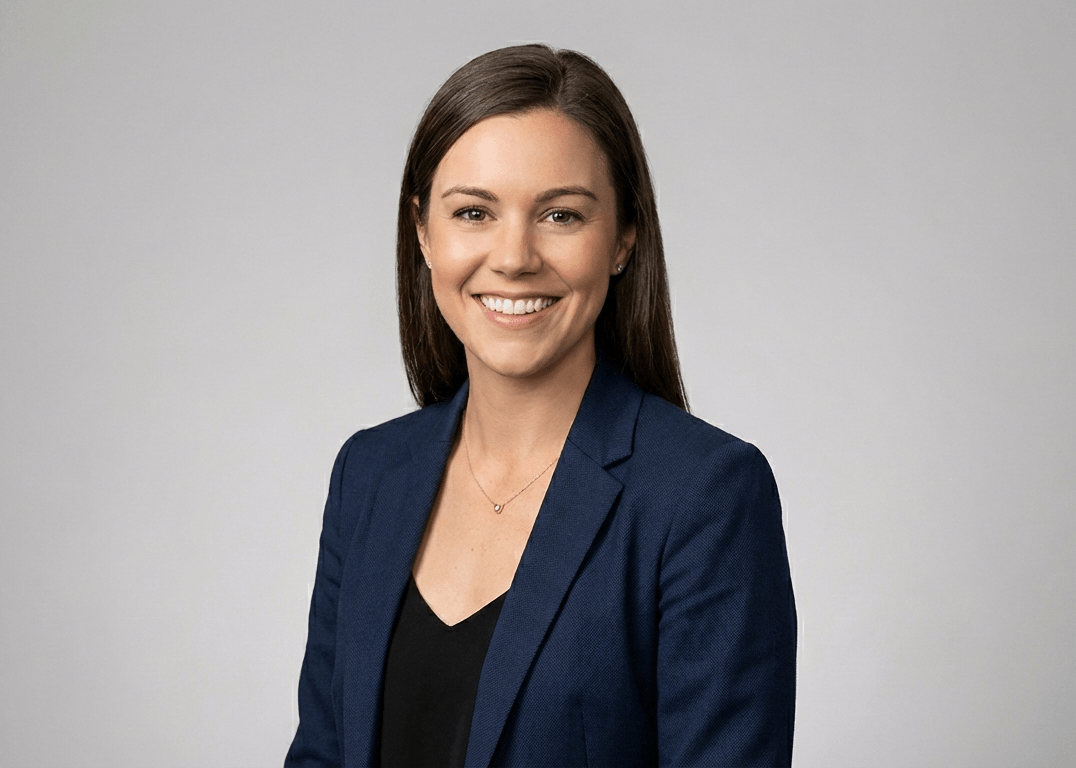
Research in social psychology consistently demonstrates that people form trust assessments within milliseconds of seeing a face. A well-lit, professionally composed headshot conveys competence, warmth, and credibility before a single word of your case statement is read. An amateur photo—cropped from a gala snapshot, blurry from a smartphone, outdated by five years—communicates something very different: that your organization does not pay attention to details, or does not invest in professionalism.
For nonprofit leaders, this first impression carries compounding consequences. Major donors routinely research organizations extensively before making gifts. Program officers at foundations study leadership teams before approving grants. Journalists evaluating a story angle look up executive directors on LinkedIn. In each of these scenarios, a professional headshot is the opening argument for your organization’s credibility.
The good news is that investing in nonprofit headshots Philadelphia-area organizations need is far more accessible than most development directors assume. And the return—measured in donor confidence, grant success, and staff recruitment—is substantial.
How Nonprofit Headshots Philadelphia Donors Actually Trust Are Built
The mechanics of trust-building through photography are worth understanding in detail, because they shape every decision in a headshot session: the lighting, the expression, the background, the crop.
The Science of Visual Trust
Studies from Princeton University published in the journal Psychological Science have shown that competence and trustworthiness judgments from photographs are highly consistent across observers and predict real-world outcomes—including election results and investment decisions. For nonprofits, the same psychological machinery is at work when a prospective major donor reviews your leadership team page.
Three visual factors drive trust assessments in professional photographs: warmth of expression, directness of gaze, and overall image quality. A professional photographer controls all three. A smartphone photo at a networking event controls none of them reliably.
What Donors Are Looking For
When major donors—individuals giving $1,000 or more—evaluate a nonprofit before making a gift, they are making a judgment about the people who will steward their money. The Association of Fundraising Professionals emphasizes that donor relationships are fundamentally personal relationships, and the leadership photographs on your website and in your appeal materials are often the first expression of that relationship.
Donors want to see leaders who look engaged, capable, and mission-driven. They want to see a team, not a collection of disparate individuals. And they want the overall visual presentation of your organization to match the professionalism implied by your mission.
Nonprofit Headshots Philadelphia Organizations Use Most Effectively
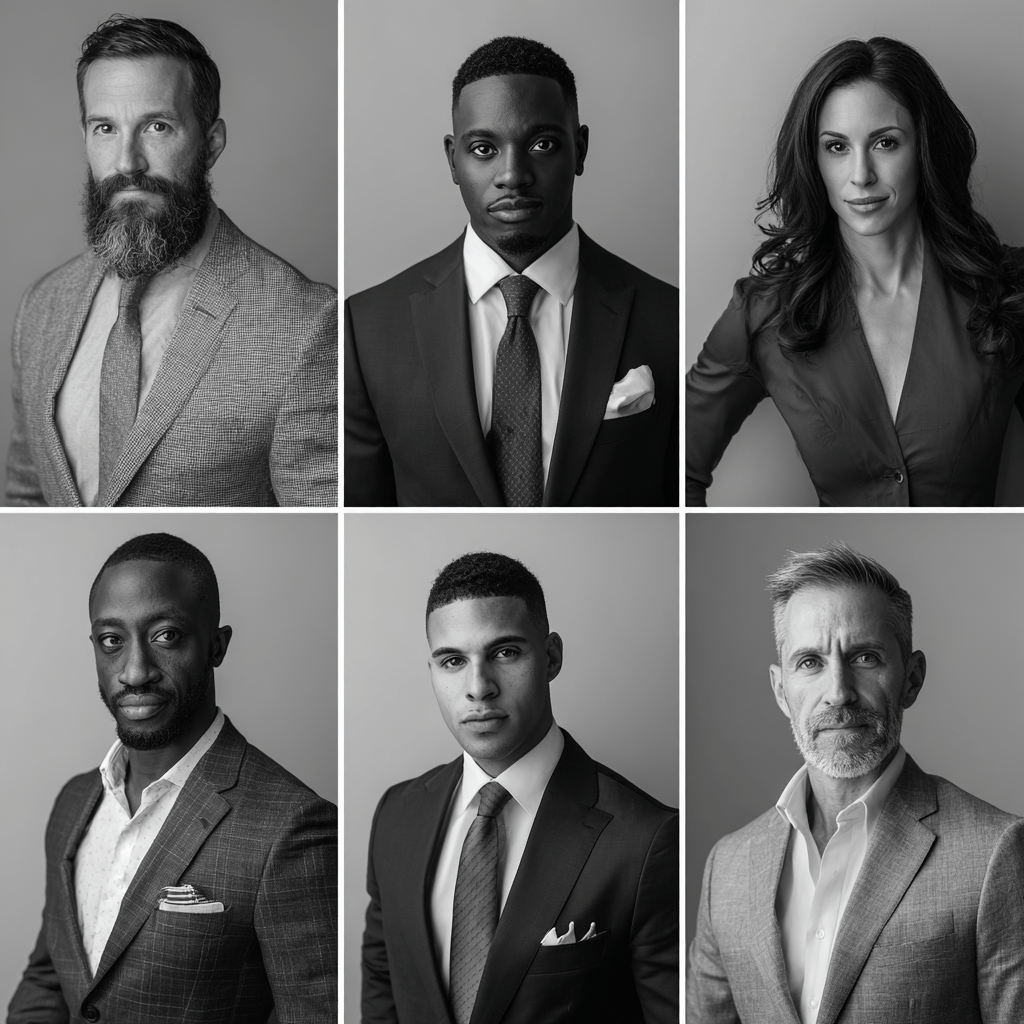
The most effective nonprofit headshots Philadelphia organizations deploy share several characteristics. They use consistent backgrounds across all staff photos, creating a cohesive team identity. They capture genuine expressions—not forced smiles—that communicate authentic commitment to the mission. And they reflect the culture of the organization: warm and approachable for social service organizations, authoritative and credentialed for medical foundations and research nonprofits.
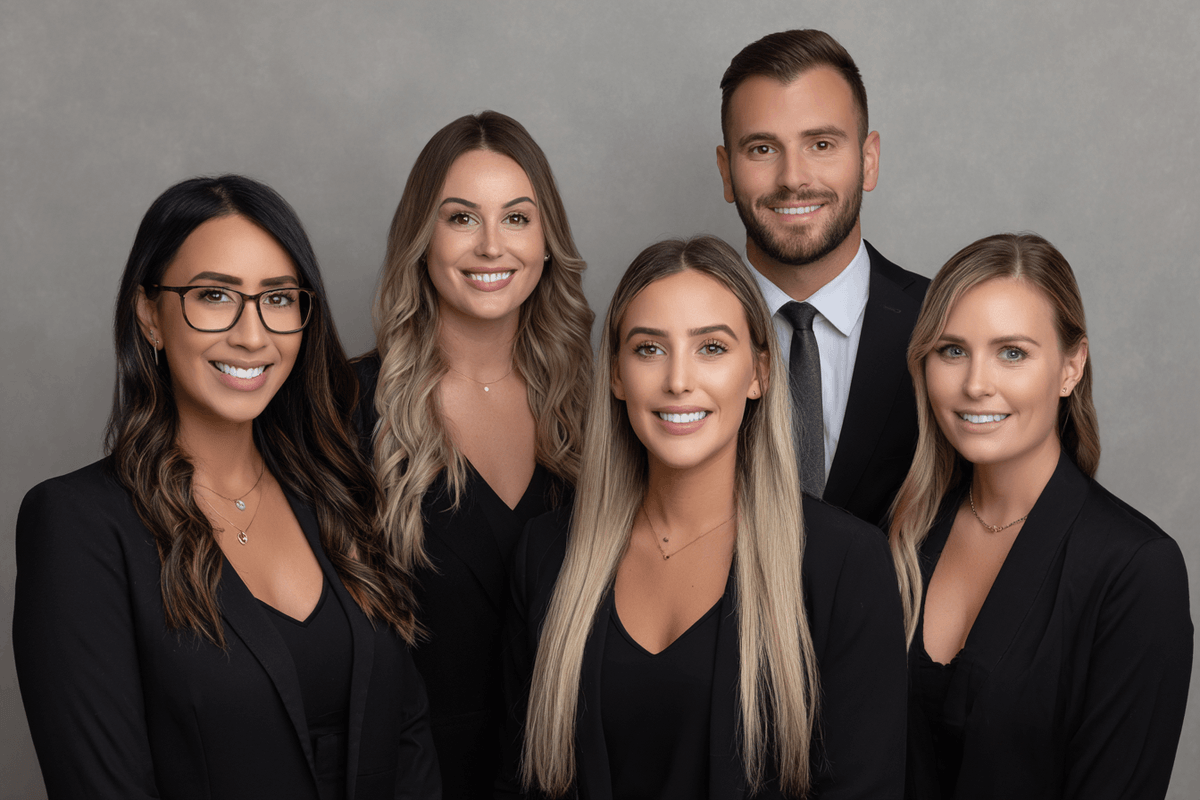
The background choice matters more than many nonprofits realize. Light gray and neutral blue-gray backgrounds are the most versatile—they work across website, print, LinkedIn, and grant application contexts. Some organizations opt for environmental backgrounds that show their program space: a classroom, a medical facility, a community center. This approach can powerfully reinforce mission connection, but it requires a photographer experienced in environmental portraiture.
Staff Directory Best Practices
Your staff directory is one of the most-visited sections of your nonprofit website. Donors research the team before contributing. Volunteers look up their coordinators before showing up. Grant reviewers assess depth of leadership by counting credentialed faces. The nonprofit headshots Philadelphia organizations display in their staff directories are often the single largest collection of leadership imagery a donor will ever see from your organization—and the quality of that collection speaks volumes.
A disorganized, inconsistently photographed directory undermines all of these impressions. A cohesive, professionally executed directory builds them.
The Consistency Imperative
The single most important rule for nonprofit staff directories is visual consistency. When every photo in your directory uses the same background, the same lighting quality, and the same crop, the overall effect is one of organizational coherence. When backgrounds vary from white to beige to outdoor greenery, when some photos are close-up and others show the full torso, the directory looks assembled rather than planned.
This consistency does not require photographing everyone on the same day. It requires working with a photographer who maintains detailed records of the technical setup—background color and texture, lighting configuration, camera distance—so that new employees photographed six months later match the existing library seamlessly.
Crop and Framing Standards
For nonprofit staff directories, the standard crop is from mid-chest to just above the head, with slight space above. This framing is consistent with how most modern nonprofit websites display team photos: in a grid, often with the person’s name and title overlaid. A tight headshot-only crop (chin to crown) is appropriate for some contexts but is too restrictive for many website layouts.
Write your crop standard into a simple one-page brief before the session and share it with your photographer. Include an example of your current website layout so the photographer understands exactly how the images will be displayed.
Keeping the Directory Current
Nonprofit staff turnover is a persistent challenge. High turnover means that the staff directory is always partially outdated, with some photos months old and others years old. The best approach is to establish a quarterly or semi-annual intake photo schedule, photographing new hires in small batches rather than waiting for an annual all-hands session.
For details on coordinating sessions for teams of various sizes, see our team headshot coordination guide.
Board Member Headshots for Credibility and Governance
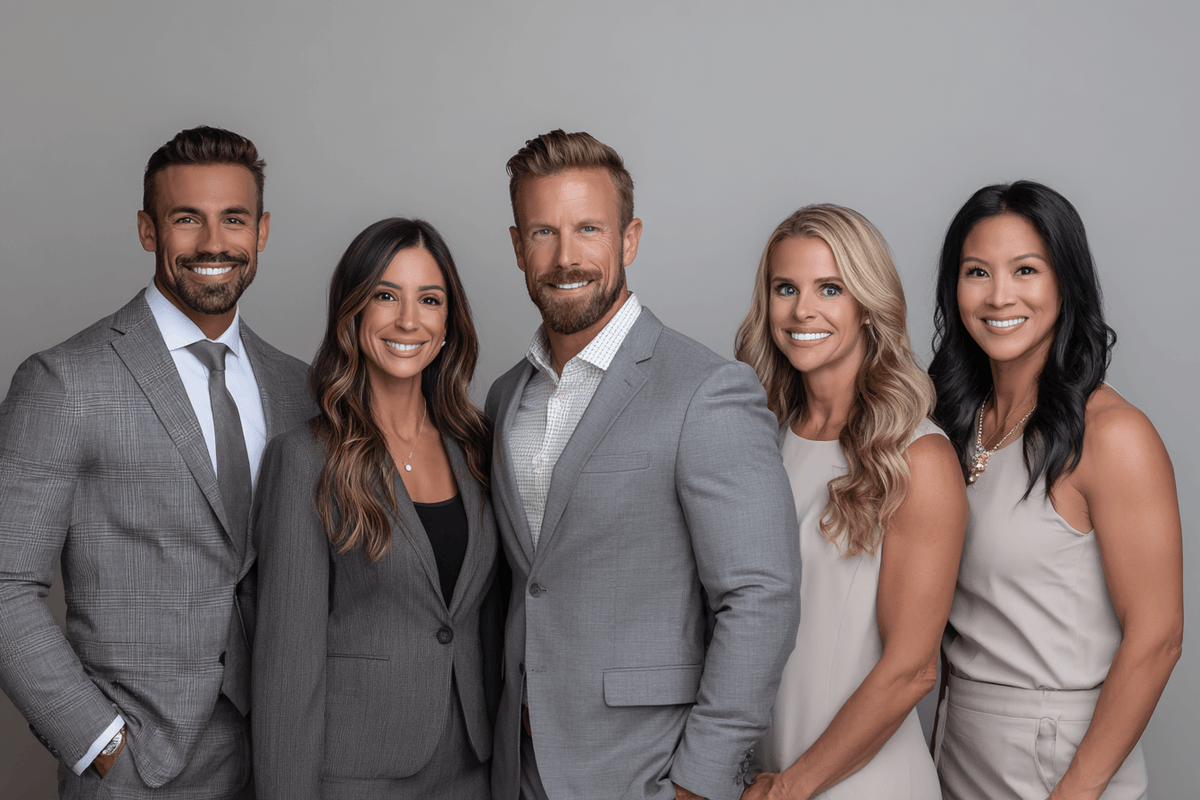
Board members are the governance backbone of every nonprofit. They hold fiduciary responsibility, set strategic direction, open donor networks, and represent the organization to the community. Their headshots carry the full weight of that authority—and they are often the photographs most scrutinized by major donors and foundation program officers.
Why Board Headshots Carry Extra Weight
When a donor considers a major gift, they are making a judgment not just about the executive director but about the entire governance structure. A board of directors featuring recognizable community leaders, accomplished executives, and credentialed professionals signals organizational stability and accountability. Professional headshots are how that credibility is communicated visually.
A board member whose headshot is cropped from a LinkedIn profile photo, or sourced from a corporate website with entirely different styling, creates visual dissonance on your board page. It signals that the board does not operate as a unified team—an impression that undermines donor confidence at precisely the moment when you need it most.
Coordinating Board Photography
Board members are busy people. Many serve on multiple boards and maintain demanding professional schedules. The logistics of getting 15 or 20 board members photographed consistently can feel daunting.
The most effective approach is to schedule headshot sessions at board meetings, when members are already convening. A 45-minute block appended to a regular board meeting can accommodate 8 to 12 members, each spending just five minutes in front of the camera. For board members who cannot attend in person, individual studio sessions or on-location sessions at their workplace can fill the gaps.
Styling Guidance for Board Members
Board member headshots should reflect professional stature. Business professional attire—suits and structured tops—is the standard for most nonprofits. The goal is to project the credibility of the individual’s professional accomplishments while aligning with the nonprofit’s visual identity.
Some nonprofits allow board members to incorporate subtle references to the organization’s mission in their styling—a specific color, an organization pin—but this should be done consistently, not as an individual choice.
Board Headshots in Annual Reports
Annual reports are among the highest-stakes documents a nonprofit produces. Major donors, foundations, government partners, and media contacts review them carefully. Board member headshots appear prominently in most annual reports, often alongside financial statements and program impact data. The quality of these photographs should match the quality of the report’s design and data presentation.
Philadelphia’s Nonprofit Sector: Local Context and Competition
Philadelphia’s nonprofit landscape is among the most developed and competitive in the United States. Understanding the local context helps your organization position its visual presence effectively.
The Scale of the Sector
Philadelphia is home to some of the nation’s most respected and well-resourced nonprofit organizations. The United Way of Greater Philadelphia and Southern New Jersey operates one of the region’s most recognized fundraising operations, with sophisticated donor communications that set a visual standard others are measured against. The CHOP Foundation—supporting Children’s Hospital of Philadelphia—combines clinical credibility with compelling human-interest storytelling, and its leadership photography reflects both.
Cultural institutions like the Please Touch Museum and the Penn Museum represent another segment of Philadelphia’s nonprofit ecosystem: mission-driven organizations that compete for both individual donations and major philanthropic investments. These organizations invest in professional visual communications as a competitive necessity, and their leadership photography is consistently polished.
The Philadelphia Foundation, which manages hundreds of donor-advised funds and competitive grant programs, reviews grant applications from nonprofits across the region. The visual professionalism of your application materials—including the headshots of your leadership team—contributes to the overall impression your application makes.
The Competitive Funding Landscape
In a region with thousands of nonprofits competing for a finite pool of philanthropic dollars, visual differentiation matters. When a program officer reviews grant applications from five organizations with similar missions and comparable track records, the organization that presents itself most professionally has an edge.
This is not cynical—it is a reflection of how human beings process information. Visual quality signals operational quality. Nonprofit headshots Philadelphia foundations and major donors encounter from your organization are part of your competitive positioning in this crowded market.
Philadelphia’s Donor Community
Philadelphia’s donor community is sophisticated and well-informed. The region’s major individual donors—concentrated in the Main Line, Center City, and the northern suburbs—often participate in multiple giving circles and advisory boards. They compare organizations constantly, and they notice the difference between a development appeal featuring polished leadership photography and one featuring amateur snapshots.
For organizations serving communities across the city—in neighborhoods from Kensington to Southwest Philadelphia to West Oak Lane—professional headshots also signal respect for the communities served. Leadership that presents itself professionally is leadership that takes its accountability seriously.
On-Location Session Logistics for Nonprofits
Most nonprofits prefer on-location headshot sessions, and for practical reasons: staff cannot easily leave the office mid-day, program facilities are not near photography studios, and the budget for travel time is limited. On-location sessions address all of these constraints.
What On-Location Sessions Require
A professional on-location headshot session requires a room of approximately 10 by 12 feet—a conference room, a break room, or an unused office works well. The photographer brings all equipment: professional lighting, backgrounds, camera system, and a review monitor for immediate feedback. Setup takes approximately 30 minutes, and a skilled photographer can work through four to six people per hour.
For nonprofits with program sites spread across Philadelphia—a headquarters in Center City plus satellite offices in the neighborhoods—a photographer can travel to multiple locations in a single day, maintaining the same equipment setup at each stop for visual consistency.
For a detailed walkthrough of how a professional on-location session unfolds from start to finish, see our on-location headshot process.
Scheduling Considerations for Nonprofit Staff
Nonprofit staff often have irregular schedules tied to program delivery. Case managers may be in the field during standard business hours. Program coordinators may work evenings or weekends to align with the communities they serve. A good session schedule accounts for these realities.
The most effective approach is to offer multiple time windows—morning, midday, and early afternoon—and allow staff to self-schedule into the slot that fits their program commitments. A shared scheduling link (Google Calendar, Calendly, or a simple sign-up sheet) with 15-minute slots handles this efficiently without requiring coordinator intervention.
Session Prep Communications
Send preparation guidance to staff at least three to five days before the session. This guidance should cover: attire recommendations, grooming tips, what to expect during the session, and where the photos will be used. Staff who know what to expect are more relaxed in front of the camera, and more relaxed subjects produce better photographs.
Encourage staff to bring a backup outfit option—a different blazer or top—in case their first choice does not photograph as expected. This small logistical investment meaningfully improves session outcomes.
Session Pacing and Staff Wellbeing
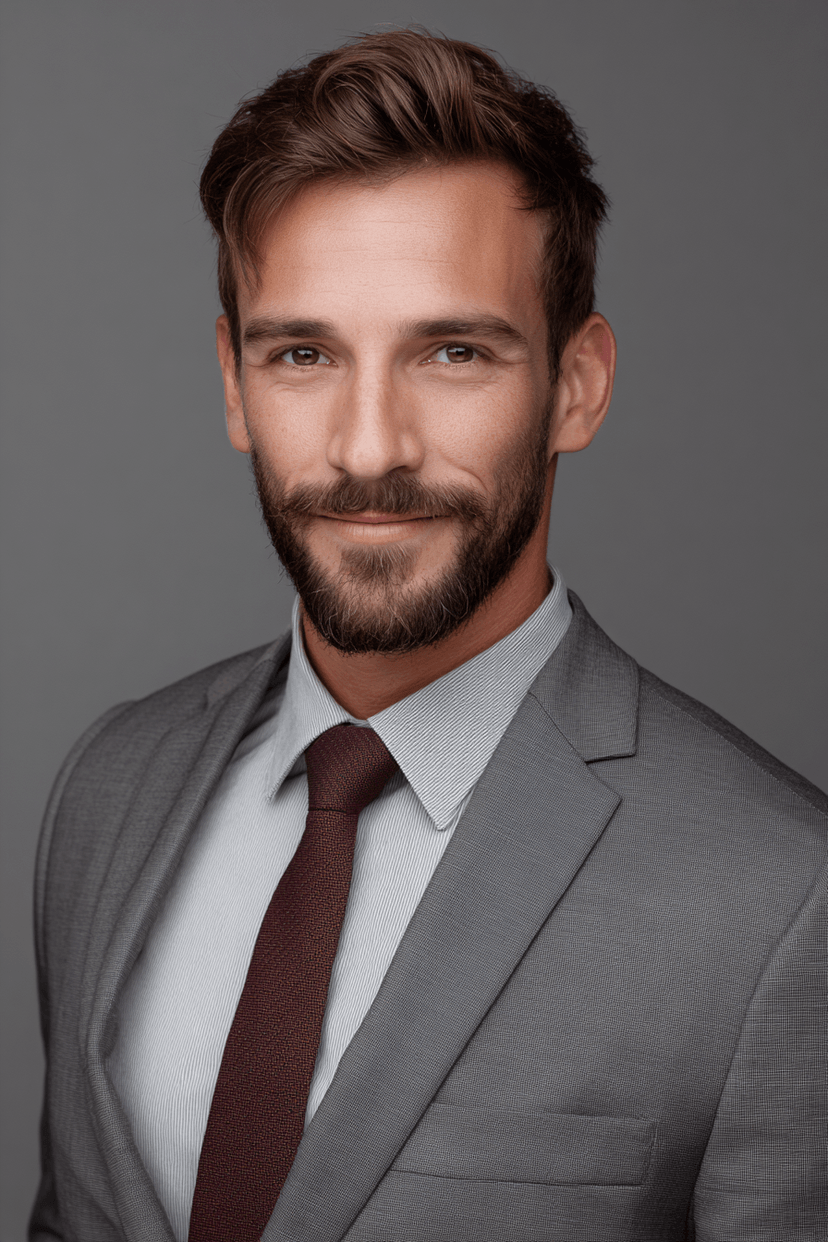
Many nonprofit staff members are not comfortable being photographed. They may feel self-conscious, camera-shy, or uncertain about how to present themselves. An experienced headshot photographer anticipates this and creates a session environment that is warm, low-pressure, and confidence-building.
The goal is to capture each person looking like their best, most professional self—not a stylized version that does not reflect who they are. A skilled photographer directs expression and posture with specific, constructive guidance rather than vague instructions. The result is a library of photographs that each staff member is genuinely proud to have represent them.
Budget-Conscious Packages and Nonprofit Pricing
Budget is the most common objection nonprofit organizations raise when considering professional headshots. The perception is that professional photography is expensive relative to other program priorities. In practice, the investment is more accessible than most development directors expect—and the return is measurable. When you evaluate what nonprofit headshots Philadelphia sessions actually cost against the value of the donor trust and grant credibility they generate, the math is straightforward.
Understanding Per-Head Costs
The most useful way to think about headshot investment for nonprofits is cost per person. A well-organized on-location session for a team of 20 staff members and 15 board members spreads the fixed costs of setup, travel, and photographer time across 35 subjects. The per-person cost for a group session is substantially lower than individual portrait rates—often less than the cost of a single event ticket at a fundraising gala.
At this cost level, the question is not whether the organization can afford professional headshots. It is whether the organization can afford the ongoing cost of presenting itself with amateur photography to donors who are evaluating how seriously it takes its work.
Prioritizing Who to Photograph
For organizations with very limited budgets, prioritization is appropriate. Start with the leadership team: the executive director, deputy directors, and any development or communications staff who appear in donor-facing materials. Add board members next, since their photos appear in annual reports and on the website’s most scrutinized pages.
Expand to program staff in subsequent sessions, scheduled quarterly or semi-annually as budget allows. This phased approach builds the full visual library over time without requiring a large upfront investment.
Nonprofit Discount Programs
Many professional photographers—including Victory Headshots—offer discounted rates for registered 501(c)(3) organizations. These discounts recognize both the budget constraints nonprofits face and the value of long-term relationships with mission-driven organizations.
When requesting quotes, identify your organization as a nonprofit and ask directly about discount programs. Many photographers do not advertise these rates prominently, but they are available.
Multi-Year Planning
The most cost-effective approach to nonprofit headshot management is a multi-year plan: a comprehensive initial session to photograph the full team, followed by quarterly or semi-annual refresh sessions for new hires and promoted staff, and a full refresh every three to four years.
This approach eliminates the inefficient pattern of scrambling for photos before a grant deadline or major fundraising campaign—and it ensures that your visual library is always current when opportunities arise.
Impact on Fundraising Campaigns and Donor Conversion
The ultimate measure of any nonprofit investment is its impact on mission delivery, and the most direct path from professional headshots to mission impact runs through fundraising performance.

How Headshots Influence Giving Decisions
Development research consistently shows that donors respond to personal connection. When a fundraising appeal features a professional photograph of the executive director alongside a personal message, response rates are meaningfully higher than appeals without a leadership image. The photograph makes the appeal personal—it transforms an abstract organization into a human being asking for support.
This effect is even stronger in major gift fundraising. Relationship-based solicitations—the cultivation meetings, the site visits, the one-on-one conversations that produce $10,000 and $100,000 gifts—are preceded by extensive online research. Donors who search your executive director before a meeting expect to find a professional, credible image. Finding an amateur snapshot can create doubt that even the best in-person meeting may not fully overcome.
Campaign Materials and Visual Storytelling
Annual fundraising campaigns—year-end appeals, spring campaigns, Giving Tuesday efforts—rely on a mix of program impact stories and leadership credibility. Nonprofit headshots Philadelphia donors encounter in these materials serve as anchors for the organizational credibility argument. They say: these are the people stewarding your gift, and they take their responsibility seriously.
When campaign materials feature consistent, professionally photographed leadership headshots alongside compelling program impact narratives, the combination is more persuasive than either element alone. The photographs provide the credibility; the stories provide the motivation.
Grant Applications and Foundation Relations
Foundation program officers review hundreds of grant applications annually. They are sophisticated evaluators who look past the narrative to assess organizational capacity. A well-organized application featuring professional headshots of the leadership team—current, high-resolution, and consistent—signals that the organization has the operational infrastructure to execute on the proposed program.
Conversely, an application that includes blurry, inconsistent, or outdated leadership photographs raises subtle questions about organizational attention to detail. These questions may not disqualify the application, but they add friction to a decision that could go either way.
Volunteer and Staff Coordinator Headshots
Nonprofits rely on a workforce that extends beyond paid staff to include volunteer leaders, program coordinators, and AmeriCorps members whose professional presence matters for recruitment, community trust, and donor engagement.
Why Volunteers Need Professional Photos
Volunteer coordinators are often the face of your organization to a critical constituency: the volunteers themselves. A professional headshot for your volunteer coordinator—one that appears in the volunteer welcome email, on the volunteer portal, and in volunteer appreciation materials—signals that your organization values its volunteers’ time and respects the relationship.
Similarly, volunteer board members, committee chairs, and event chairs often appear in public-facing materials. Their headshots need to meet the same professional standard as paid staff.
AmeriCorps and Fellowship Program Members
Organizations hosting AmeriCorps members, fellows, or other short-term program staff face a recurring photography challenge: these team members rotate out regularly, creating a constant need for updated photos. A quarterly photo session that captures new cohorts as they join resolves this challenge cost-effectively.
Advisory Board and Honorary Chair Photography
Many nonprofits maintain advisory boards and honorary leadership structures that include prominent community figures, political leaders, and major donors. These individuals’ photographs appear on the organization’s website and in high-profile materials. Their headshots should reflect their prominence, which typically means executive-level photography.
If an advisory board member’s employer has already produced professional headshots, it is appropriate to request permission to use those images rather than photographing them again. Clear permission documentation—even a simple email confirmation—protects the organization and maintains the relationship.
Digital Presence: Website, LinkedIn, Grants, and Annual Reports
Professional nonprofit headshots Philadelphia organizations produce are ultimately deployed across a wide range of digital and print contexts. Understanding those contexts helps you plan the session to capture the right formats and resolutions.
Website: The Primary Destination
Your nonprofit website is the primary destination for leadership headshots. Staff and board directory pages, leadership team sections, and executive director bio pages all feature photographs. When prospective donors arrive on your site after a Google search for nonprofit headshots Philadelphia organizations like yours, the visual quality of those pages shapes the trust they extend before they ever read a word of your mission statement. The technical requirements for website use are straightforward: high-resolution files (minimum 1200 pixels wide), consistent aspect ratios, and format files suitable for web optimization (JPEG or WebP).
Work with your web developer to establish the exact dimensions and aspect ratios your site’s design uses before the headshot session. This ensures that delivered photos require minimal cropping or resizing, preserving image quality.
LinkedIn: Professional Network Visibility
LinkedIn profiles for nonprofit leaders are frequently viewed by donors, foundation officers, and peer organizations. A professional headshot that matches the organization’s website photography creates a coherent visual identity across platforms.
For executive directors and development staff who are active on LinkedIn for cultivation and networking purposes, the headshot is a particularly high-stakes asset. A profile photo that looks like it was taken at a conference cocktail hour is not the right opening for a major donor relationship.
Grant Applications and Foundation Portals
Major foundation grant portals—including those used by the Philadelphia Foundation, the William Penn Foundation, and national foundations like the Robert Wood Johnson Foundation—increasingly request organizational materials that include leadership headshots. Delivering polished nonprofit headshots Philadelphia foundations expect in these portals strengthens the first impression your application makes. These portals often have specific file size and format requirements.
Ask your photographer to deliver headshots in multiple resolutions and formats (300 DPI for print, optimized JPEGs for web, and square crops for social media) at the time of delivery. Having these formats ready prevents last-minute scrambling before a grant deadline.
Annual Reports: High-Stakes Print Context
Annual reports represent the most prestigious print context for nonprofit leadership photographs. They are distributed to major donors, board members, foundation partners, and government stakeholders. The photographs in an annual report should be the best, most current images in your library.
Plan annual report photography as part of your broader headshot strategy. If your annual report is published in the fall, schedule headshot refreshes in late summer to ensure all leadership photos are current. If new board members joined during the year, capture them before the report goes to print.
Email Appeals and Digital Marketing
Fundraising email appeals featuring leadership photographs consistently outperform those without. Whether it is a year-end message from the executive director or a campaign update from a program leader, the photograph transforms a digital communication from institutional to personal.
For email use, headshots should be optimized for fast loading—typically 600 pixels wide and under 100KB file size. A professional photographer can deliver email-optimized versions as part of the standard deliverable package, or your communications team can create them from the high-resolution originals.
Social Media: Consistency Across Platforms
Facebook, Instagram, X (formerly Twitter), and LinkedIn all feature headshots in different contexts: profile photos, post images, team highlights, and staff spotlights. Maintaining visual consistency across these platforms reinforces brand recognition and organizational credibility.
A consistent social media presence with professional team photography signals that the nonprofit is well-managed and communications-savvy—qualities that donors and foundation officers associate with program effectiveness.
Ready to Elevate Your Organization’s Visual Presence?
Nonprofit headshots Philadelphia donors trust do not happen by accident. They are the product of deliberate planning, professional execution, and a clear understanding of how visual communication supports fundraising, governance, and mission delivery. Every aspect of your leadership photography—the lighting, the expression, the background consistency, the crop—sends a signal to donors, grantmakers, and the public about the organization you are and the stewardship you provide.
Victory Headshots specializes in professional nonprofit headshots Philadelphia organizations of every size rely on—from small community-based organizations to major regional institutions. We understand the budget realities nonprofits face, the scheduling complexities of diverse staff teams, and the high-stakes visual contexts—annual reports, foundation grant portals, major donor appeals—where your photographs must perform.
Our on-location sessions come to your office, your program site, or your next board meeting. We bring professional studio-quality lighting and equipment to any environment, and we maintain detailed session records so that every new hire photographed in the future matches your existing library seamlessly.
To learn more about how we work with mission-driven organizations, visit our nonprofit photography services page. To discuss your organization’s specific needs and get a custom quote, contact us today. Your next major donor is already forming an impression—make sure it is the right one.
Victory Headshots Team
We are Philadelphia's premier corporate photography team, specializing in high-volume headshots and events. We combine artistic excellence with operational efficiency to help businesses look their best.
