
Healthcare Headshots Philadelphia | Medical Teams

Philadelphia is one of the most medically significant cities in the United States. Home to some of the nation’s oldest teaching hospitals, a dense network of academic medical centers, and a combined healthcare workforce exceeding 151,000 professionals, the region’s health systems operate at extraordinary scale. Every physician, advanced practice provider, nurse practitioner, and healthcare administrator in those systems requires professional healthcare headshots Philadelphia patients will encounter before their very first appointment. This post is written for hospital marketing departments, physician practice managers, and healthcare administrators who are responsible for keeping those directories current, consistent, and patient-ready.
Table of Contents
- Why Healthcare Providers Need Professional Headshots
- Philadelphia’s Healthcare Sector: Healthcare Headshots Philadelphia at Scale
- Physician Directory Standards and Online Profile Platforms
- Telehealth and Video Visit Profile Images
- Large Hospital Staff Photography Logistics
- Medical Practice vs. Hospital System Headshot Needs
- Advanced Practice Providers and Their Directory Presence
- Healthcare Administrator and Executive Headshots
- Ambulatory Care and Outpatient Clinic Photography
- Compliance and Patient Privacy Considerations
Why Healthcare Providers Need Professional Headshots
Before a patient books an appointment, they look up the provider. This is no longer an exception — it is the overwhelming norm. According to data from Healthgrades, more than 80 percent of patients consult an online physician profile before choosing a doctor. The photo in that profile is the first human element they encounter. A blurry, outdated, or casually taken image raises doubt. A polished, professionally lit healthcare headshot builds the early trust that draws a patient in.

The stakes are higher in healthcare than in most industries. Patients are not choosing a product — they are choosing someone they will allow into their most private physical and emotional experiences. First impressions formed through profile photos carry real weight in that decision. Research published through the American Medical Association has documented how patient perception of provider professionalism begins at the point of initial contact, and for a growing share of patients, that contact happens online before the first phone call is ever made.
Professional healthcare headshots Philadelphia providers use accomplish several things simultaneously. They signal clinical competence through a composed, confident expression. They convey warmth and approachability that reassures anxious patients. They establish visual consistency across a health system’s directory that reflects organizational credibility. And they ensure that every provider — from a first-year resident to a department chair — is represented with equal professionalism.
The practical cost of failing to invest in quality headshots is measurable. Patients who are uncertain about a provider based on a poor profile photo will simply click to the next result. In a competitive Philadelphia healthcare market where Penn Medicine, Jefferson Health, and Main Line Health are all visible in the same insurance network search results, that hesitation costs appointments.
Philadelphia’s Healthcare Sector: Healthcare Headshots Philadelphia at Scale
Philadelphia’s healthcare economy is vast by any measure. The region is home to 15 major health systems, dozens of independent hospitals, hundreds of physician group practices, and tens of thousands of clinical and administrative staff whose faces appear in patient-facing platforms every day.
Penn Medicine
The University of Pennsylvania Health System — Penn Medicine — is one of the most recognized academic medical centers in the world. With flagship facilities including Hospital of the University of Pennsylvania, Penn Presbyterian Medical Center, Pennsylvania Hospital (the oldest hospital in the nation, founded in 1751), and an expanding network of community hospitals and ambulatory sites, Penn Medicine employs approximately 44,000 people. Its provider directory lists thousands of physicians and advanced practice providers, each requiring a current, professional photograph.
Jefferson Health
Thomas Jefferson University Hospitals and the broader Jefferson Health network represent another pillar of Philadelphia’s medical landscape. Following its merger with Einstein Healthcare Network and continued expansion, Jefferson Health operates hospitals across Center City Philadelphia, the Delaware Valley suburbs, and southern New Jersey. The consolidated system’s provider directory encompasses a provider base numbering in the thousands — each of whom benefits from professional healthcare headshots Philadelphia patients rely on to make care decisions.
Temple Health
Temple University Health System serves North Philadelphia and the surrounding communities with a strong commitment to urban medicine and academic training. Temple University Hospital is a leading Level I trauma center, and the health system’s faculty and community physicians require consistent professional photography across their patient-facing profiles.
Children’s Hospital of Philadelphia (CHOP)
CHOP is consistently ranked among the top children’s hospitals in the nation. Its specialists — pediatric cardiologists, oncologists, neurologists, and surgeons — appear on provider profiles viewed by parents at some of the most anxious moments of their lives. The quality of healthcare headshots Philadelphia families encounter on CHOP’s provider directory carries outsized emotional significance.
Main Line Health, Tower Health, and Suburban Systems
Beyond the academic medical centers, Philadelphia’s suburban health systems serve enormous patient populations. Main Line Health operates hospitals across the Main Line corridor — Lankenau Medical Center, Bryn Mawr Hospital, Paoli Hospital, and Riddle Hospital — and its provider network spans hundreds of physicians and advanced practice providers. Tower Health, with facilities in Reading, Phoenixville, Pottstown, and beyond, serves western and northern suburban communities. Each system faces the same core challenge: maintaining a current, consistent photo library for a large, geographically distributed provider workforce.
Drexel Medicine, Einstein Healthcare, and Abington
Drexel University College of Medicine’s clinical practice — Drexel Medicine — brings an academic faculty practice dimension to the market. Jefferson Abington Hospital (formerly Abington Memorial Hospital) serves Montgomery County’s substantial population. These organizations round out a healthcare landscape that makes Philadelphia one of the most medically rich cities on the East Coast and one of the largest markets for healthcare headshots in the United States.
Physician Directory Standards and Online Profile Platforms
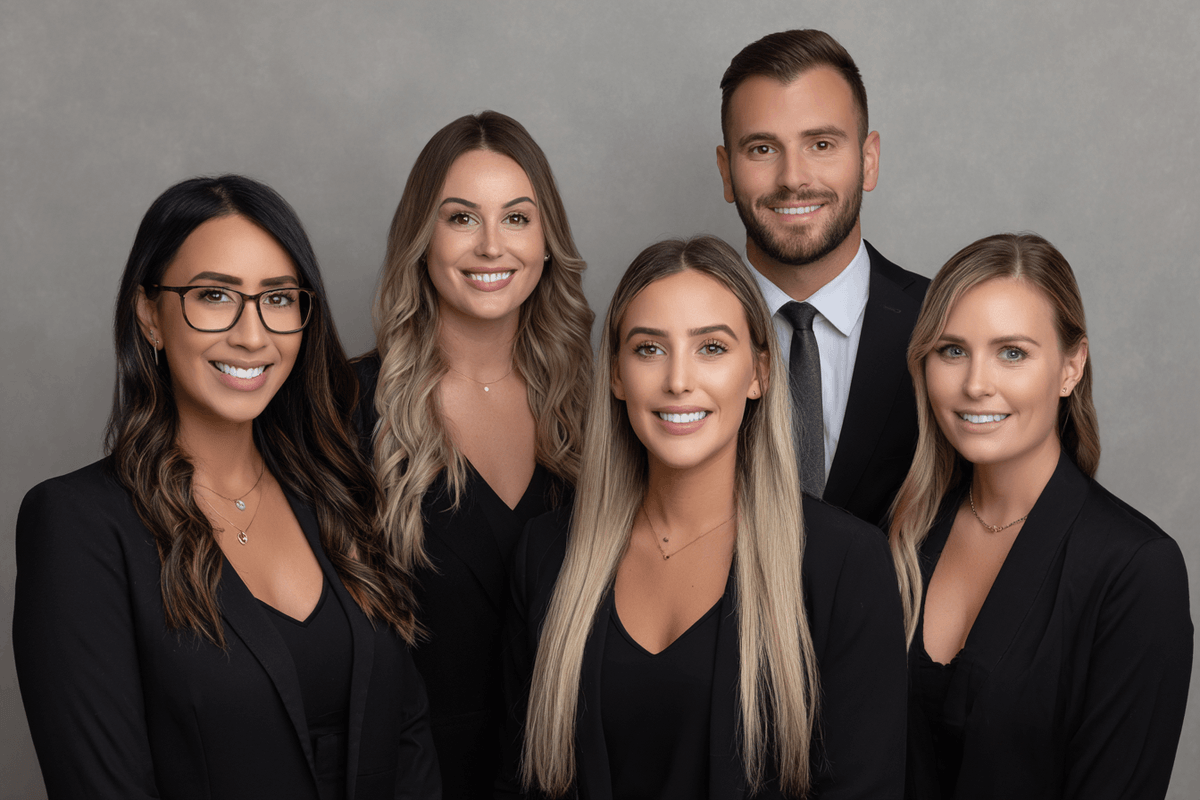
Healthcare headshots Philadelphia physicians use must meet the technical and aesthetic standards of multiple platforms simultaneously. Understanding these platforms’ requirements is essential for any health system marketing team managing provider photography at scale.
Healthgrades
Healthgrades is among the most visited physician review and directory platforms. Profiles on Healthgrades display provider headshots prominently, and the platform’s own research indicates that profiles with professional photos generate significantly higher patient engagement than those without. Healthgrades recommends photos with a minimum resolution of 400x400 pixels, though higher resolution images are always preferable for crisp display across device types.
Zocdoc
Zocdoc is the dominant online appointment booking platform in the Philadelphia market. Practices integrated with Zocdoc need provider headshots that meet the platform’s photo upload requirements and display well in the compact thumbnail format used in search results. Patients browsing Zocdoc compare multiple providers in a single search view — consistent, professional photos are a direct competitive advantage.
Doximity
Doximity functions as a professional network specifically for physicians and other clinical providers, often described as the LinkedIn of medicine. Profiles on Doximity are consulted by colleagues for referrals, by media for expert sources, and by patients seeking provider credentials. A professional headshot on Doximity reinforces a provider’s credibility within the clinical community as much as with patients.
Vitals and WebMD Physician Directory
Vitals — now integrated with WebMD’s physician directory — represents another high-traffic patient research platform. WebMD reaches tens of millions of users monthly, and its physician profiles are frequently surfaced in search results when patients search a provider’s name. A strong, current headshot in this context can mean the difference between a patient clicking through to book or continuing their search.
Health System Internal Directories
Beyond consumer-facing platforms, most major Philadelphia health systems maintain internal provider directories for clinical referrals. Physicians use these directories to identify specialists for patient referrals, meaning provider headshots also serve a professional peer audience. The quality standards should be no lower than those for patient-facing platforms.
Telehealth and Video Visit Profile Images
The expansion of telehealth services following 2020 permanently changed the role of provider profile photography. When a patient schedules a video visit, they are selecting a provider they will interact with entirely on a screen — and their only visual reference before that appointment is the headshot in the scheduling portal.
The Profile Photo as Virtual Introduction
For telehealth visits, the provider headshot functions as a pre-visit handshake that patients review both when booking and in the moments before the video call connects. A professional, warm image reduces pre-appointment anxiety and sets a collaborative tone. A poor image — or no image at all — leaves the patient with no human context for the clinical encounter that follows.
Healthcare headshots Philadelphia telehealth providers use need to perform well specifically in digital display contexts. This means images should be lit to appear clear and natural on screen, shot at resolutions that scale cleanly to the display sizes used in telehealth portals, and cropped to clearly show the provider’s face and expression without awkward framing.
Telehealth Platform Requirements
Systems like Epic MyChart, which many Philadelphia health systems use for their patient portals and telehealth scheduling, have specific image format and size requirements. Penn Medicine’s patient portal, Jefferson’s MyJefferson, and similar platforms all display provider photos in defined formats. Photography that meets these technical specifications from the start saves significant time in the upload and approval process.
Consistency Across In-Person and Virtual Encounters
For providers who see patients both in person and via telehealth, the headshot in the scheduling portal should match the overall professional presentation the patient will experience in either setting. Inconsistency — a formal clinical headshot paired with an unusually casual telehealth profile image — erodes the sense of professional coherence patients expect.
Large Hospital Staff Photography Logistics
Coordinating healthcare headshots Philadelphia hospital systems need requires a fundamentally different logistical approach than photographing a 10-person law firm or a boutique accounting practice. Hospital systems operate 24 hours a day, seven days a week, across multiple campuses, with staff working a wide range of shifts and reporting to dozens of department heads with varying schedules and priorities.
The Scale Challenge
A mid-size Philadelphia hospital employs hundreds of providers — not counting administrative staff, nursing leadership, or department directors. A large academic medical center like Penn Medicine or Jefferson Health may have thousands of physicians and advanced practice providers spread across Center City campuses, suburban community hospitals, and ambulatory sites stretching from New Jersey to the western suburbs. Photographing this population requires a structured, methodical approach.
The most effective strategy for large hospital systems is a rolling photography program rather than a single session. Rather than attempting to photograph every provider in a single day or week, hospital marketing teams should plan a series of sessions scheduled across departments, campuses, and shifts — with a single photographer maintaining consistent setup parameters across all sessions.
Scheduling Across Shifts and Departments
Clinical staff do not work 9-to-5 schedules. Hospitalists, emergency medicine physicians, nurses, and intensivists work rotating shifts that make daytime-only photography sessions impractical. Healthcare headshots Philadelphia clinical staff need should be accessible through sessions offered across multiple time windows, including early morning options before day shifts and mid-afternoon options that capture providers transitioning between shifts.
For our on-location headshot process, we work with hospital marketing coordinators to build session schedules that accommodate clinical workflows rather than forcing clinical staff to work around photography logistics. This means setup is ready before the first provider arrives and breakdown is efficient enough to avoid extending into clinical time.
Department-by-Department Coordination
The most efficient approach for large health systems is coordinating photography through department administrators or practice managers rather than asking individual providers to self-schedule. A single point of contact per department who manages the sign-up sheet, confirms attendance, and communicates preparation instructions dramatically reduces no-shows and scheduling gaps.
For guidance on large group sessions, our team headshot coordination guide covers the planning frameworks that keep multi-department sessions organized and productive.
Equipment Setup in Clinical Environments
Hospital environments present physical constraints that require portable, flexible photography equipment. Most health system buildings are not designed to accommodate a photography studio, and patient care areas cannot be disrupted. We use portable lighting systems, compact background setups, and quiet camera equipment that can be deployed in a conference room, a break room, or a designated alcove without interfering with clinical operations.
Medical Practice vs. Hospital System Headshot Needs
The healthcare photography market in Philadelphia divides broadly into two segments with meaningfully different needs: independent or small-group medical practices and large integrated hospital systems. Understanding these differences helps practices and health systems choose the right approach.
Independent Medical Practices
An independent primary care practice or specialty group practice in Philadelphia may employ five to thirty physicians and advanced practice providers. For this segment, the priority is often achieving a cohesive, professional look that competes visually with the larger health systems’ directory listings. Patients searching for a gastroenterologist in the Main Line suburbs will compare independent practice listings against Jefferson or Penn Medicine providers in the same search results. Professional healthcare headshots Philadelphia independent practices use create a visual baseline that projects competence on par with the academic medical centers.

For small practices, the headshot session is simpler to coordinate — fewer providers, a single location, and a more personal working relationship between the photographer and the practice manager. The session can typically be completed in a single day, with all providers photographed in a consistent style that works across the practice’s website, Healthgrades profiles, and Zocdoc listings.
Hospital System Photography Programs
For hospital systems, photography is an ongoing operational function rather than a periodic project. New residents and fellows join every July. New faculty are recruited throughout the year. Mid-level providers join practices across multiple sites. The photography program must be capable of absorbing a constant inflow of new providers while maintaining visual consistency with photos taken months or years earlier.
The difference in scale also changes the economics. Hospital systems should negotiate standing arrangements with a single photographer who maintains detailed records of the lighting setup, background materials, and post-processing parameters used across all sessions. This is the only reliable way to ensure that a headshot taken in November looks consistent with one taken the previous March — which is essential when both photos appear on the same department directory page.
Advanced Practice Providers and Their Directory Presence
Nurse practitioners, physician assistants, certified registered nurse anesthetists, certified nurse-midwives, and clinical nurse specialists now represent a substantial and growing share of the Philadelphia healthcare workforce. Their directory presence is just as important as that of physicians, and their headshot needs follow the same professional standards.
The Growth of APPs in Philadelphia Health Systems
Health systems across the Philadelphia region — including Penn Medicine, Jefferson Health, and Main Line Health — have significantly expanded their advanced practice provider (APP) workforce over the past decade. NPs and PAs now lead primary care panels, manage specialist caseloads, and serve as first-line providers across emergency departments, urgent care centers, and hospitalist programs. Patients selecting an NP or PA as their primary care provider go through the same online research process they use to select a physician.
Directory Visibility for APPs
Platforms like Healthgrades, Zocdoc, and Doximity have expanded their coverage to include nurse practitioners and physician assistants. Many health system patient portals now display APP profiles alongside physician profiles with equal prominence. Professional healthcare headshots Philadelphia APPs use in these directories signal the same credibility and patient-centered care that physician headshots are expected to convey.
Healthcare administrators overseeing APP programs should ensure that photography sessions include all licensed clinical providers, not just physicians. A directory where physicians have professional photos and APPs do not sends an unintentional message about the organization’s investment in its non-physician providers — and it creates a visually inconsistent experience for patients.
Styling and Presentation for APPs
The styling guidance for APP headshots mirrors that for physician headshots: professional attire appropriate to the clinical setting, a composed and approachable expression, and consistent background and lighting. White coats are common in healthcare headshots Philadelphia clinical staff use across all provider types, though the choice should be consistent within a department or practice.
Healthcare Administrator and Executive Headshots
Not every professional who needs a healthcare headshot in Philadelphia wears a white coat. Hospital systems employ large administrative teams — executives, directors, department heads, marketing and communications professionals, human resources staff, and operational leaders — who appear in leadership directories, press releases, conference bios, and board materials.
C-Suite and Senior Leadership
Health system executives — CEOs, CMOs, CNOs, CFOs, and other C-suite leaders — are among the highest-visibility faces in a healthcare organization. Their headshots appear on the health system website, in annual reports, in local business media, and in industry publications. These images represent the organization in its most public and formal contexts, so the photography standard should be commensurately elevated.

For health system executives, headshots should be photographed at a resolution and in formats that support multiple use cases: the website leadership page, a press-ready JPG for media requests, a landscape-cropped version for annual report layouts, and a square-cropped version for social media. Having all formats ready eliminates delays when communications teams need images quickly.
Department Directors and Medical Directors
Department directors, medical directors, and division chiefs occupy a middle tier of healthcare leadership that is highly visible both internally and externally. Their photos appear on departmental web pages, in clinical newsletters, in grant applications, and on conference speaker materials for regional and national medical meetings. These leaders benefit from the same professional photography standard as the C-suite.
Board of Directors and Trustees
Hospital boards in Philadelphia — particularly those overseeing major academic medical centers and large community health systems — include business leaders, community members, and healthcare industry professionals whose headshots appear on governance pages and in annual reports. Consistent, professional photography for board members reflects the seriousness of the governance function.
For more on how executive-tier photography differs from standard corporate headshots, see our guide to executive portraits vs. corporate headshots.
Ambulatory Care and Outpatient Clinic Photography
The shift from inpatient to outpatient care has made ambulatory sites a major arena of patient interaction — and provider directory competition. Philadelphia’s health systems have invested heavily in ambulatory care networks, and the providers in those networks need photography that reflects the same professional standards as the flagship hospital campuses.
The Ambulatory Network Challenge
Penn Medicine alone operates dozens of outpatient practices across the Delaware Valley. Jefferson Health’s ambulatory network spans New Jersey, Delaware County, Montgomery County, and Center City. Main Line Health’s outpatient sites stretch across the western suburbs. Each site may employ providers who were hired locally and never photographed as part of the flagship campus program. The result, without a proactive photography strategy, is a patchwork directory where downtown physicians have polished professional photos and suburban outpatient providers have inconsistent or outdated images.
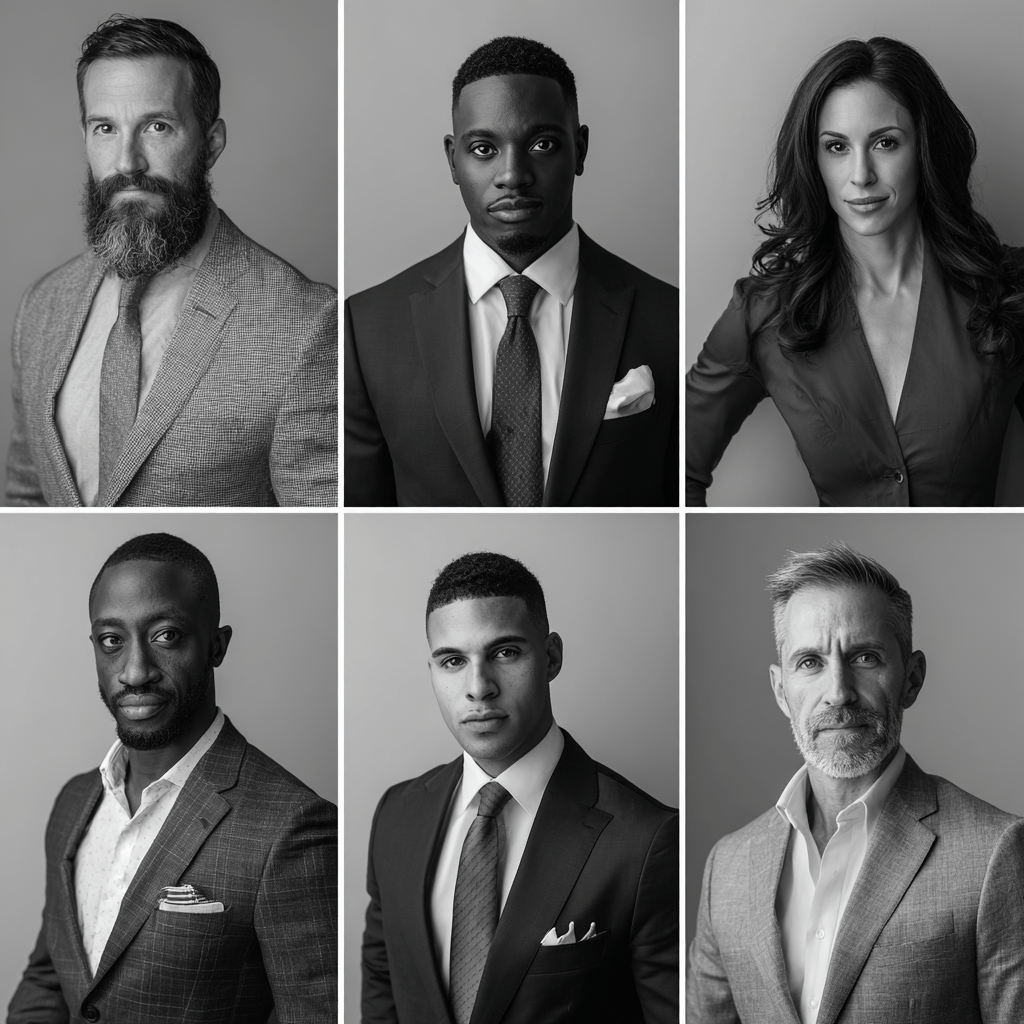
Healthcare headshots Philadelphia ambulatory care networks need require a photographer capable of traveling to distributed sites across the region and replicating a consistent setup at each location. This is precisely the on-location capability we provide — the same portable studio, the same lighting parameters, and the same post-processing approach whether we are photographing at a Center City hospital or a suburban medical office building in Exton or Blue Bell.
Urgent Care and Retail Health Sites
The growth of urgent care centers and retail health clinics — including those affiliated with major health systems — adds another layer to the photography challenge. Providers at these high-volume, high-turnover sites need professional headshots just as much as their hospital-based counterparts. Patients selecting an urgent care center on a health system app or website often see provider photos in the location listings, making photography an active part of the patient acquisition process even in the urgent care segment.
Consistency Across the Care Continuum
Patients today often move across multiple care settings within a single health system — from a primary care office to a specialist to an urgent care visit to a hospital admission. When they encounter their providers’ photos in a patient portal, they should experience visual consistency that reinforces the sense of coordinated, integrated care. Inconsistent photography across care settings undermines that perception in ways that are difficult to articulate but easy to feel.
Compliance and Patient Privacy Considerations
Healthcare photography presents a compliance dimension that general corporate photography does not. Health systems and physician practices operate under regulatory frameworks — including HIPAA — that require thoughtful protocols when cameras are present in clinical environments.
HIPAA and Photography in Clinical Spaces
HIPAA’s privacy rule governs the use and disclosure of protected health information, and its protections extend to photographic images of patients. Photography sessions in clinical environments must be designed to ensure that no patient is photographed without explicit, documented consent — and in most cases, the safest approach is to conduct photography exclusively in non-clinical spaces where patients are not present.
Hospital marketing teams coordinating healthcare headshots Philadelphia-wide should establish clear written protocols specifying where photography sessions are permitted, who is authorized to approve session locations, and how to handle situations where clinical spaces are the only available option. We work within these protocols rigorously, setting up in approved spaces and never photographing in patient care areas.
Background Awareness
Even when sessions are conducted in non-clinical spaces — conference rooms, administrative offices, break rooms — photographers must be aware of what appears in the background. Patient schedules, medical records, whiteboards with case information, and other materials containing protected health information should never appear in any image, even incidentally in a blurred or out-of-focus background.
We conduct a background sweep before setting up any session in a healthcare environment, ensuring that no potentially protected information is visible in any angle our camera will use. This is standard practice for all of our healthcare sessions.
Consent and Usage Agreements
Provider headshots require the same consent and usage agreements as any professional photography. Providers should sign image usage consent forms that specify how their photos will be used — on health system websites, in patient portals, in external publications, and on third-party directory platforms. Clear documentation protects both the organization and the individual provider.
Facility Access and Credentialing
Some Philadelphia hospital campuses have security and credentialing requirements for outside vendors, including photographers. Major health systems may require advance contractor approval, proof of insurance, background checks, or facility-specific safety training before allowing a photographer on campus. We maintain up-to-date documentation for all required credentials and are accustomed to completing vendor onboarding processes for hospital clients.
Getting Started with Healthcare Headshots in Philadelphia
Philadelphia’s healthcare sector is too important — and too competitive — for provider photography to be treated as a low-priority administrative task. Every outdated, inconsistent, or low-quality headshot in a health system’s directory represents a patient who may not choose that provider. Every professional, current, and visually cohesive healthcare headshot Philadelphia providers display represents an opportunity to build the trust that converts a profile view into a booked appointment.
Whether you manage provider photography for a large academic medical center with thousands of providers, a mid-size community health system across several suburban campuses, or an independent specialty group practice with a dozen physicians, the principles are the same: professional photography, consistent execution, and a logistics process that works with clinical schedules rather than against them.
Victory Headshots brings deep experience serving Philadelphia-area healthcare organizations — from coordinating rolling photography programs across distributed ambulatory networks to photographing executive leadership teams for health system annual reports. Our healthcare headshots services are designed specifically for the needs of Philadelphia’s medical community, with the on-location capability, logistical flexibility, and visual consistency that healthcare organizations require.
Ready to upgrade your health system’s provider photography? Contact us to discuss a tailored photography plan for your organization — whether you need to photograph five providers or five hundred.
Victory Headshots Team
We are Philadelphia's premier corporate photography team, specializing in high-volume headshots and events. We combine artistic excellence with operational efficiency to help businesses look their best.
